Tanked vs Tankless Water Heater

Updated: Jun 30
Choosing the right water heater can feel like a daunting task. With so many options, how do you decide? Each has its own set of perks and quirks.
Tanked water heaters are the traditional choice, storing gallons of hot water for your daily needs. Meanwhile, tankless models heat water on demand, promising energy savings and endless hot showers.
In this article, we'll dive into the nitty-gritty of both types. We'll explore costs, efficiency, and performance to help you make an informed decision. Ready to find the perfect fit for your home? Let's get started!
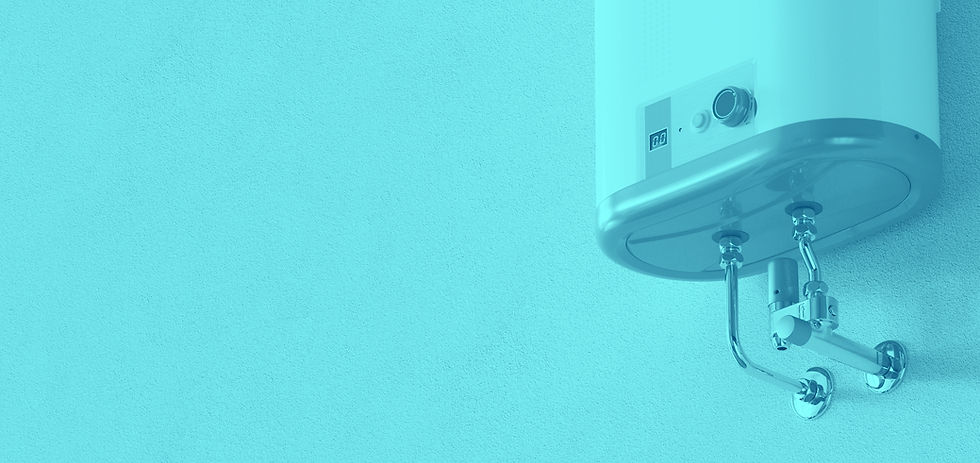
How Tanked and Tankless Water Heaters Work
Ever wonder how these two different water heaters work? Let's unravel the mystery.
A tanked water heater stores and heats a large volume of water, typically ranging from 30 to 80 gallons. This system continuously maintains the water's temperature until you need it. It's like having a hot water reservoir, ever-ready to quench your hot water needs.
A tankless water does things differently. It heats water on demand, eliminating the need for a storage tank.
Here's how it goes down:
Water Flow Triggered: When you turn on the tap, the unit kicks into action.
Instant Heating: It rapidly heats the water as it passes through.
On-Demand Supply: This cycle repeats whenever there's a hot water need.
This efficient process means no waiting for a tank to refill and heat up again. Both designs cater to different lifestyles and needs. Understanding their operation is key to knowing which fits your home best.
Upfront Costs and Installation
When it comes to upfront costs, these heaters play in different leagues. Let's break it down.
Installing a tanked water heater is generally easier on the wallet. The units themselves are cheaper and installation tends to be straightforward. However, they do require a sizable space to accommodate their bulk, which can be a restriction for some homes.
On the flip side, tankless water heaters boast a more compact design but come with a heftier price tag. The installation can be more complex and costly, often needing electrical or gas line upgrades to meet power requirements.
Here's a quick peek at the cost elements:
Tanked: Lower initial cost, potentially higher installation fees.
Tankless: Higher initial investment, potential extra for home upgrades.
These differences influence upfront financial commitments significantly. Choosing wisely based on budget constraints and space availability can save headaches down the road.
Energy Savings and Efficiency
Energy efficiency is a major selling point for tankless models. They heat water on demand, reducing wasted energy. No need to keep a tank of water hot all day and night. This leads to significant energy savings over time. That's not just better for your wallet, it's greener too.
Tanked heaters, however, lose heat gradually as water cools in the tank. This constant reheating boosts energy use. For homes with large families, tanked models may face efficiency limitations if hot water demand is constant.
In homes with high hot water usage, tankless heaters offer improved savings. They are indeed more energy-efficient since they only run when hot water is needed. Here's a breakdown:
Tankless: Energy-efficient, heats only when needed.
Tanked: Higher energy use due to heat loss and continual reheating.
So, if energy savings are your main goal, tankless options might be the better choice. But, it's always key to consider lifestyle and usage patterns before making the switch. Balancing budget and eco-friendly aspirations requires careful thought.
Performance and Hot Water Supply
Performance varies significantly between tanked and tankless water heaters. Tankless heaters deliver a continuous supply, making endless showers a reality. No more worries about running out of hot water during peak times.
Tanked heaters have a finite supply based on the tank's size. Once that hot water is used up, there's a waiting period for it to heat up again. This can be inconvenient if multiple demands arise simultaneously.
Here’s a quick comparison:
Tankless: Continuous hot water, supports large household demand.
Tanked: Limited supply, may run out during back-to-back uses.
For families or heavy hot water users, tankless systems shine in performance. They cater to varying demands without delay. Choosing the right one hinges on understanding your household's hot water habits.
Lifespan, Maintenance, and Reliability
When it comes to longevity, tankless water heaters often take the prize. They can last up to 20 years, doubling that of many tanked models. In contrast, tanked water heaters typically last between 10 to 15 years.
Maintenance plays a pivotal role in their lifespan. Tanked heaters might need regular attention to prevent sediment buildup. This reduces their efficiency and possibly the lifespan.
In terms of reliability, both systems have their perks and pitfalls:
Tanked: Easier repairs, but prone to sediment issues.
Tankless: Durable, but may require specialized service.
Choosing the more reliable one depends largely on maintenance habits. Both are trustworthy with the right care, but anticipate investing more time with tanked systems.
Pros and Cons
Comparing the pros and cons of each type is crucial for an informed choice. Both tanked and tankless heaters have unique benefits and drawbacks that cater to different needs.
Tanked water heaters are praised for their lower initial cost and straightforward installation. They're often simpler to repair due to readily available parts. However, they can run out of hot water during peak demand and are more prone to heat loss over time.
Tankless models stand out for continuous hot water supply and significant energy savings. Their high upfront cost and potential installation complications can be a deterrent. Still, their space-saving design and eco-friendliness appeal to many homeowners. Consider what matters most to you: cost, efficiency, or space.
Which Water Heater is Right For You?
Choosing between a tanked and tankless water heater depends on your personal needs and circumstances. Reflect on your household's size, water usage, and long-term goals.
If you need a budget-friendly solution and your household can manage with a limited hot water supply, a tanked water heater might suit you best. However, if energy savings and continuous hot water are essential, a tankless option could be more appealing.
Consider these factors to guide your decision:
Household size and water demand
Initial budget vs. long-term savings
Available installation space
Desire for energy efficiency and eco-friendliness
Ultimately, assess your priorities to pick a water heater that harmonizes with your lifestyle.


Comments